From Bare Spots to Full Cover: When to Reseed vs. Sod for Atlanta Yards
Bare spots, thinning turf, or patchy lawns are among the most common frustrations for homeowners across Atlanta and North Georgia. Whether your grass has suffered from drought, shade, foot traffic, or just time, restoring it doesn't have to mean starting from scratch — but it does mean choosing the right method.
At LawnHopper, we specialize in helping homeowners achieve full, healthy lawn coverage through targeted reseeding, overseeding, and sod installation. The right choice depends on your goals, budget, and how quickly you want results.
Here's everything you need to know about reseeding versus sodding — including timelines, costs, upkeep, and our expert tips for restoring your lawn to lush, green perfection.
Understanding the Root of the Problem: Why Bare Spots Happen
Before choosing a solution, it helps to know why the damage occurred in the first place. Atlanta's climate is tough on lawns — hot, humid summers, unpredictable rainfall, and clay-heavy soil all take a toll.
Common causes of thin or patchy lawns include:
- Soil compaction: Roots can't grow deep when the soil is dense.
- Drought stress: Shallow-rooted grass struggles in Georgia's heat.
- Shade imbalance: Shaded spots get less sunlight, stunting growth.
- Heavy foot traffic: Constant wear breaks down the turf layer.
- Pests or fungus: Grubs, armyworms, and fungal infections can kill off sections of grass.
Once you've identified the cause, the next step is choosing whether to repair through reseeding or start fresh with sod.
Option 1: Reseeding — The Cost-Effective, Gradual Fix
Reseeding (or overseeding) is the process of spreading new grass seed over existing turf or bare areas to fill gaps and thicken growth. It's ideal when the lawn has partial coverage and the soil remains healthy.
Pros of Reseeding
- Lower cost: Typically more affordable than sod, especially for large areas.
- Improves soil and turf health: Adds new, resilient grass varieties to your lawn mix.
- Less invasive: Minimal soil disturbance; quicker setup.
- Flexibility: Works well for touch-ups, shaded lawns, and routine rejuvenation.
Cons of Reseeding
- Slower results: Germination can take 2–3 weeks, with full coverage in 6–10 weeks.
- Requires ideal conditions: Needs consistent watering and mild weather (spring or early fall).
- Vulnerability: Seedlings are sensitive to heat, foot traffic, and drought during establishment.
Best Use Case
Reseeding is perfect for minor bare spots, thinning patches, or general lawn thickening. LawnHopper often combines aeration + overseeding in Atlanta's spring and fall seasons to promote stronger turf and denser grass coverage over time.
Option 2: Sod Installation — Instant Results, Maximum Impact
Sod gives homeowners the fastest route to a lush, green yard — it's pre-grown grass with an established root system that's laid down like a carpet. It's ideal when your lawn has significant bare spots or when you want instant results.
Pros of Sod
- Immediate transformation: Full green coverage in a day.
- Less weed competition: Sod blocks sunlight from reaching weed seeds below.
- Erosion control: Especially useful for sloped or high-traffic areas.
- Stronger start: Root system is already developed for quick establishment.
Cons of Sod
- Higher upfront cost: Generally more expensive than reseeding.
- Heavy maintenance initially: Requires consistent watering and care for 2–3 weeks.
- Limited timing flexibility: Sod takes best in spring and early fall in Georgia.
Best Use Case
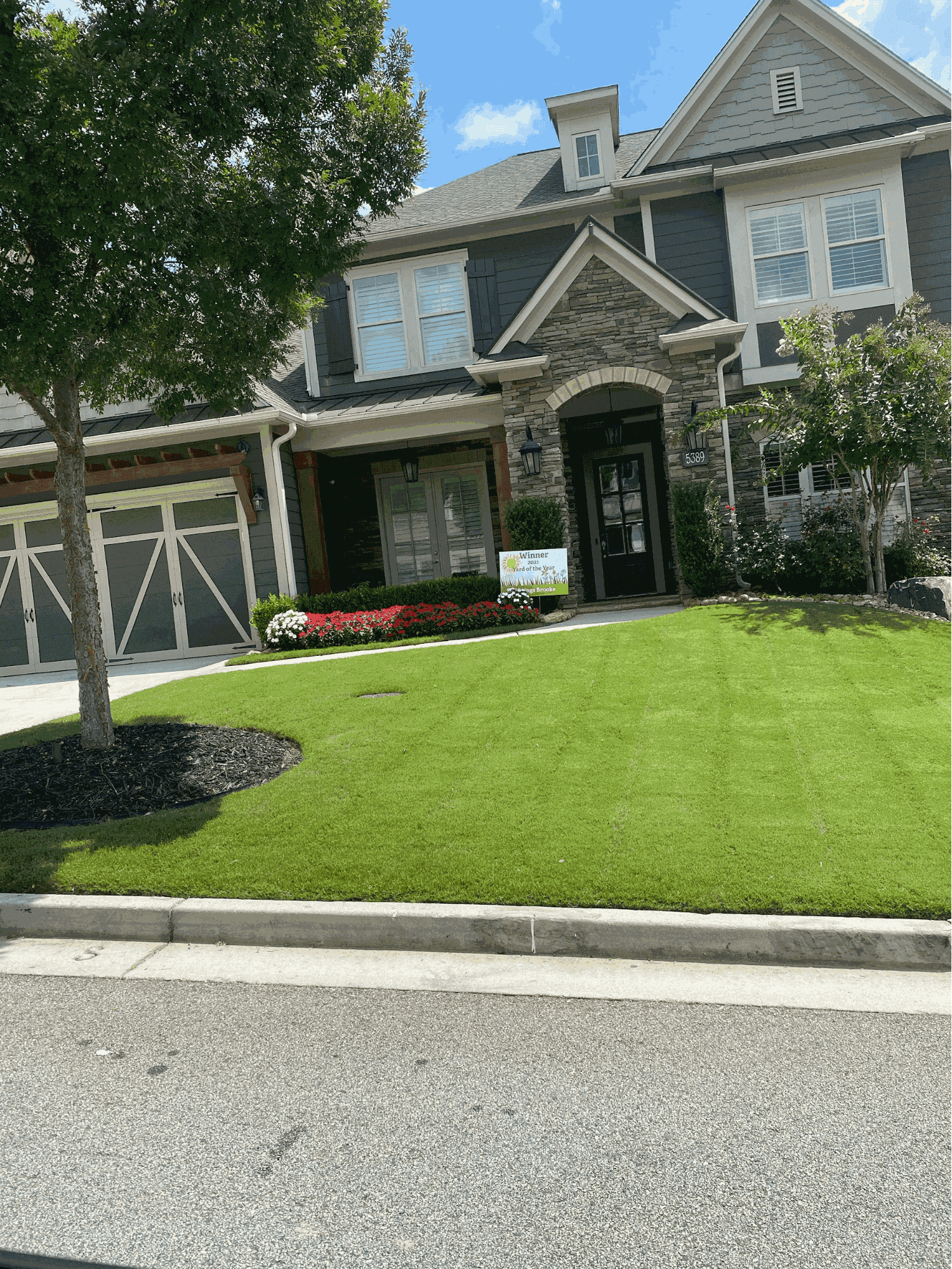
Choose sod when your lawn is more than 50% bare, when you're preparing a home for sale, or when you simply want instant curb appeal. LawnHopper's sod installation delivers professional-grade soil prep, precise layout, and thorough aftercare guidance — ensuring your new turf establishes quickly and evenly.
LawnHopper's Yard Restoration Services
Whether your lawn needs a small repair or a full overhaul, LawnHopper provides everything necessary for a complete transformation:
1. Spot Reseeding
For smaller areas, we clean and loosen the soil, apply premium seed blends matched to your lawn type, and lightly top-dress for moisture retention.
2. Overseeding
For thinning lawns, we combine aeration with high-quality seed to fill gaps and improve resilience. Overseeding adds fresh genetics to your turf — making it more disease- and drought-resistant.
3. Sod Installation
For full-lawn makeovers, we handle soil grading, surface leveling, and professional sod placement. We source top-quality Bermuda, Zoysia, and Fescue sods suited to Georgia's climate.
Our experienced crews ensure seamless transitions — whether restoring one problem area or revitalizing your entire yard.
Timing: When to Reseed or Sod in Atlanta
Atlanta's warm-season grasses thrive best when soil temperatures are between 60°F and 80°F. Timing your project to these windows makes all the difference.
Best Time to Reseed
- Early Spring (March–April): Excellent for warm-season grasses emerging from dormancy.
- Early Fall (September–October): Ideal for cool nights and steady rain, ensuring seed germination before winter.
Best Time to Sod
- Spring through Early Fall: Consistent warmth encourages strong root growth before winter dormancy. Avoid midsummer installs unless frequent watering is possible.
Proper timing prevents stress and ensures your lawn establishes quickly.
Prepping the Area: The Key to Success
Whether reseeding or sodding, preparation determines success. LawnHopper follows proven prep steps to ensure perfect results:
- Clear the area — Remove weeds, rocks, and debris.
- Loosen the soil — Till or aerate compacted clay soil for better root growth.
- Test and amend — Check pH and add lime or organic matter as needed.
- Level and grade — Create even surfaces and improve drainage to avoid puddles.
- Apply starter fertiliser — Provides nutrients that encourage strong root development.
Skipping these steps can result in patchy growth or poor sod adhesion — something our technicians take care of before any restoration begins.
Choosing the Right Grass Variety for Georgia Lawns
Different grass species thrive under different conditions — sun exposure, soil type, and water availability all matter. Here's a quick guide to what works best in the Atlanta area:
- Bermuda Grass – Great for full sun; durable and drought-tolerant.
- Zoysia Grass – Luxurious feel, handles partial shade well, slower growth but excellent density.
- Tall Fescue – Cool-season option for shaded or transitional lawns; needs consistent watering.
- Centipede Grass – Low maintenance, ideal for sandy soils and moderate sun.
LawnHopper's team can evaluate your yard conditions and recommend the right variety for your property's sunlight, soil, and irrigation profile.
Aftercare: Watering & Maintenance Schedule
Proper watering is the most important step after reseeding or sod installation.
For Reseeding:
- Water lightly and frequently — 1–2 times daily for the first 2 weeks.
- Once seedlings reach 2 inches, reduce frequency but water deeper.
- Avoid mowing until grass reaches 3 inches.
For Sod:
- Water immediately after installation.
- Keep sod and soil moist (not soaked) for 2–3 weeks.
- After roots take hold (typically 14–21 days), switch to deeper, less frequent watering.
- Avoid heavy foot traffic for 3–4 weeks.
LawnHopper provides each homeowner with a detailed aftercare guide to ensure proper establishment and growth.
Cost Considerations: Reseed vs. Sod
While every lawn is unique, here's a general breakdown for planning purposes:
| Service | Typical Cost (per sq. ft.) | Time to Full Coverage | Longevity |
|---|---|---|---|
| Reseeding / Overseeding | $0.10–$0.25 | 6–10 weeks | Moderate; builds strength over time |
| Sod Installation | $0.50–$1.25 | Immediate | Long-term; instant results and density |
While reseeding is more budget-friendly, sod offers the advantage of immediate impact — making it the go-to choice for homeowners wanting an instant transformation or preparing for property listings.
When to Call a Professional
DIY seeding and sod installation can be tricky — especially in Georgia's challenging soil and variable weather. If you notice any of these issues, it's time to call LawnHopper:
- Repeated weed growth after reseeding attempts.
- Uneven or puddling lawn areas.
- Sod that won't root or turns yellow after installation.
- Bare areas that refuse to fill despite fertilisation.
Our team diagnoses underlying problems, from drainage to soil pH, and delivers lasting solutions — not temporary fixes.
Why Atlanta Homeowners Choose LawnHopper
For homeowners across Atlanta, Marietta, Smyrna, and Roswell, LawnHopper is the trusted name in lawn restoration and maintenance. We provide:
- Expert evaluation and lawn repair planning.
- Professional-grade seed and sod installation.
- Custom maintenance schedules to keep your lawn thriving.
- Transparent pricing and consistent, dependable service.
With LawnHopper, you're not just repairing your lawn — you're investing in a year-round maintenance partnership that keeps it healthy, vibrant, and beautiful.
Conclusion: Full Coverage, Done Right
Whether you're dealing with a few bare patches or a lawn that needs a total makeover, the solution depends on your goals, budget, and timeline. Reseeding builds strength over time; sod delivers instant gratification.
At LawnHopper, we provide both — with professional prep, proper materials, and experienced crews that know exactly how to handle Georgia's unique lawn challenges.
Contact LawnHopper today to schedule your lawn restoration consultation and bring your yard back to life — greener, thicker, and stronger than ever.
Tags
Ready to Transform Your Lawn?
Get professional lawn care services from Lawn Hoppers. Contact us today for a free estimate!
Get a Free Quote