Mulch or Pine Straw: Which Is Best for Your Georgia Yard?
When it comes to landscaping your Georgia yard, choosing the right groundcover can make all the difference. Mulch and pine straw are two of the most popular options, each with unique benefits and drawbacks. The choice between them affects not just the look of your flower beds and garden areas, but also your lawn's health, moisture retention, weed control, and overall maintenance requirements.
At LawnHopper, we help Atlanta-area homeowners make informed decisions about every aspect of their outdoor spaces. Whether you're planning a new landscape installation or refreshing existing beds, understanding the differences between mulch and pine straw will help you choose the option that best fits your goals, climate, and lifestyle.
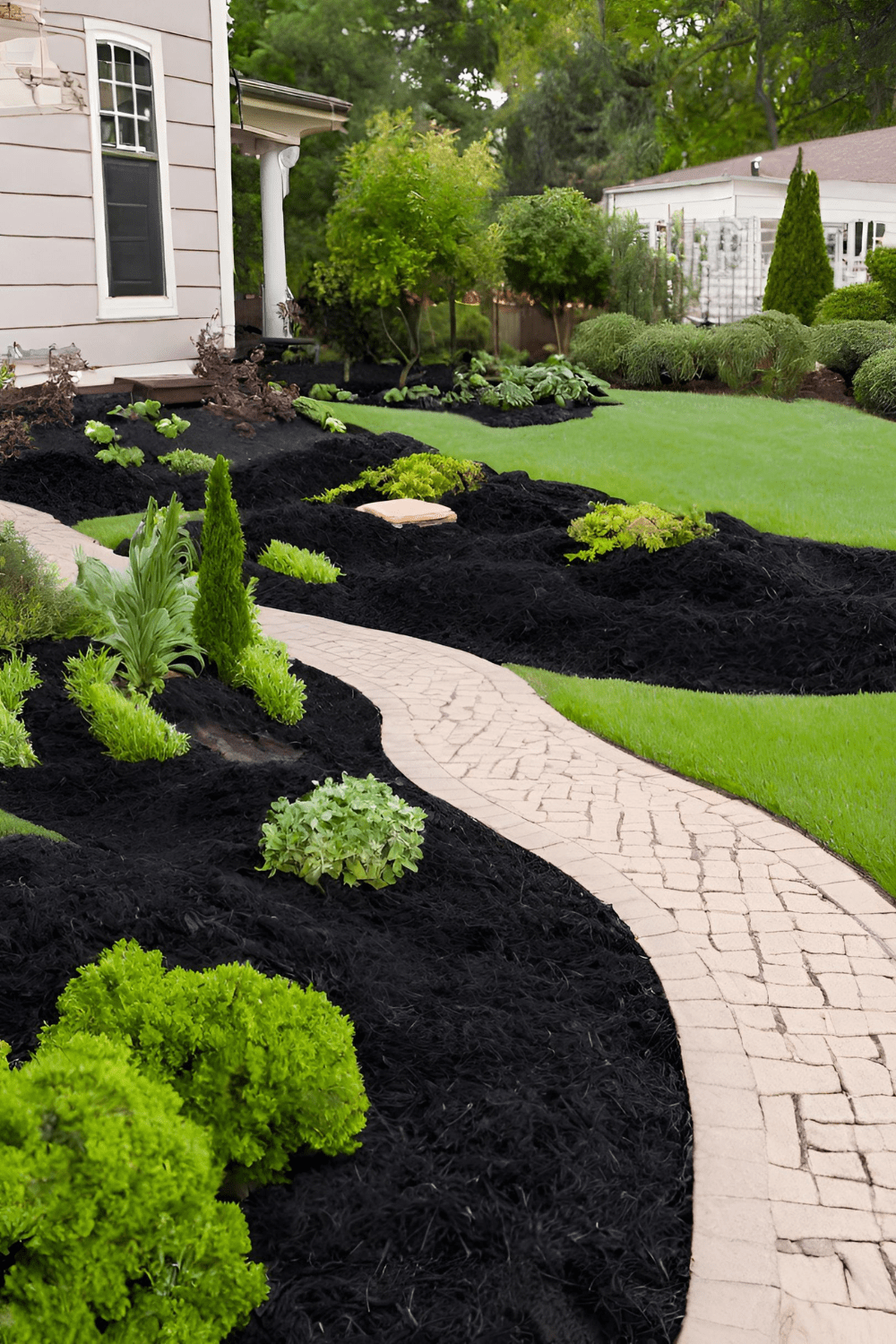
Weight and Ease of Installation
One of the first practical differences you'll notice is weight. Pine straw is significantly lighter than most types of mulch, making it easier to transport, spread, and handle—especially if you're doing the work yourself.
Pine Straw
Pine straw comes in compact bales that are easy to carry and spread. It's an excellent choice for large areas or sloped landscapes where heavy materials would be difficult to manage. Installation is quick, and you can easily maneuver around plants and obstacles.
Mulch
Mulch—whether hardwood, cypress, or dyed varieties—is denser and heavier. This means more physical effort during installation, but also greater stability once in place. Heavy mulch is less likely to shift or blow away in Georgia's occasional high winds or heavy rains.
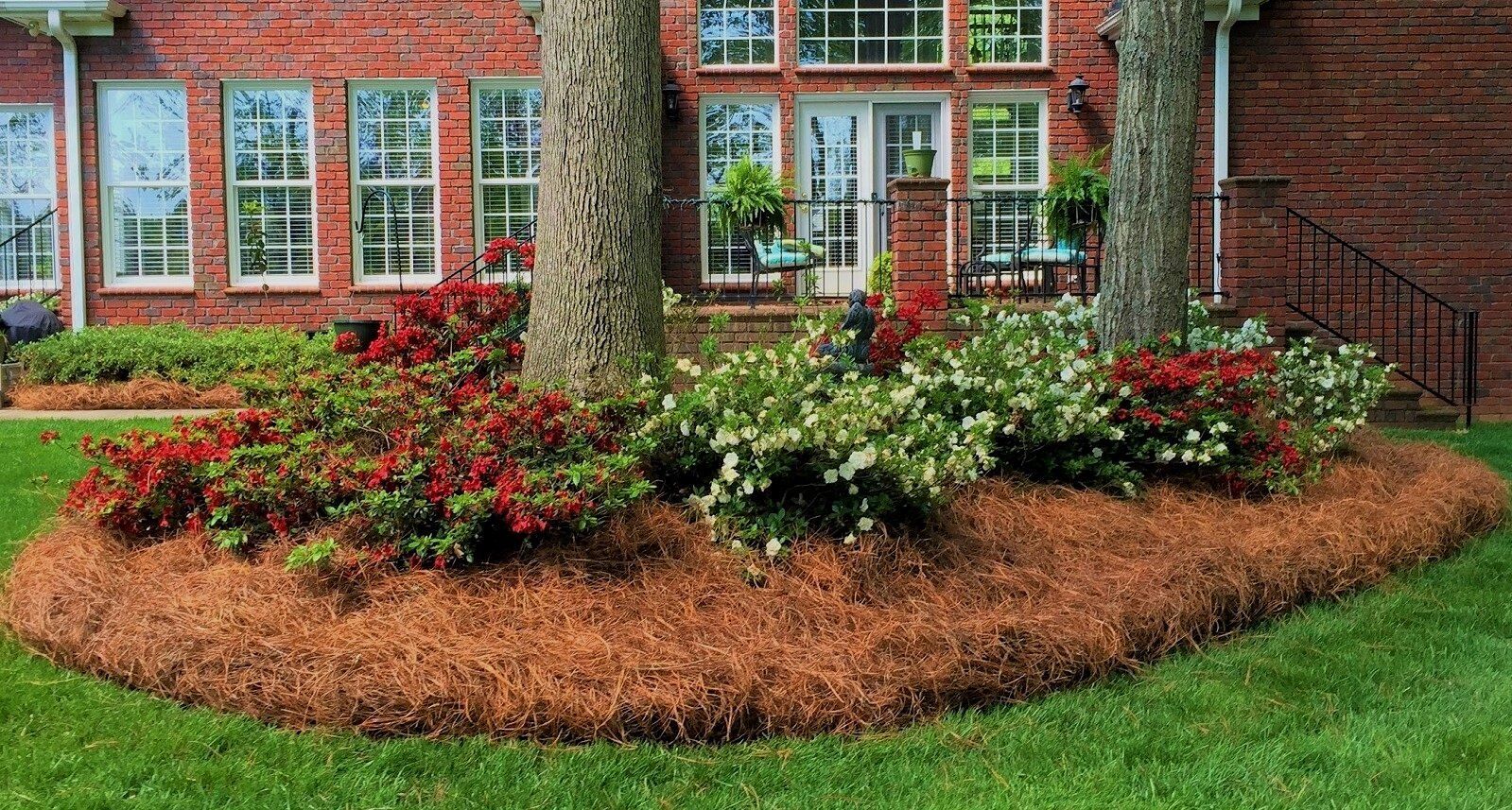
Moisture Retention and Weed Control
Both materials help retain soil moisture and suppress weeds—but they do so in different ways.
Pine Straw for Moisture Retention
Pine straw allows water to pass through easily while still providing a protective layer over the soil. It helps regulate soil temperature and reduces evaporation, which is critical during Georgia's hot, dry summers. However, because it's lighter and has a more open structure, pine straw may not block sunlight as completely as mulch, which can allow some weed growth if not applied thickly enough.
Mulch for Weed Suppression
Mulch creates a denser barrier that blocks sunlight more effectively, making it harder for weed seeds to germinate. Its weight also helps smother existing weeds. Mulch retains moisture well, but if applied too thickly, it can prevent water from reaching plant roots—so proper depth (typically 2–3 inches) is key.
Pro Tip:
For best weed control with pine straw, apply a layer at least 3–4 inches thick and refresh annually. With mulch, 2–3 inches is usually sufficient.
Pine Straw Excels on Slopes and Erosion-Prone Areas
If your property includes sloped beds, hillsides, or areas prone to erosion, pine straw is often the better choice.
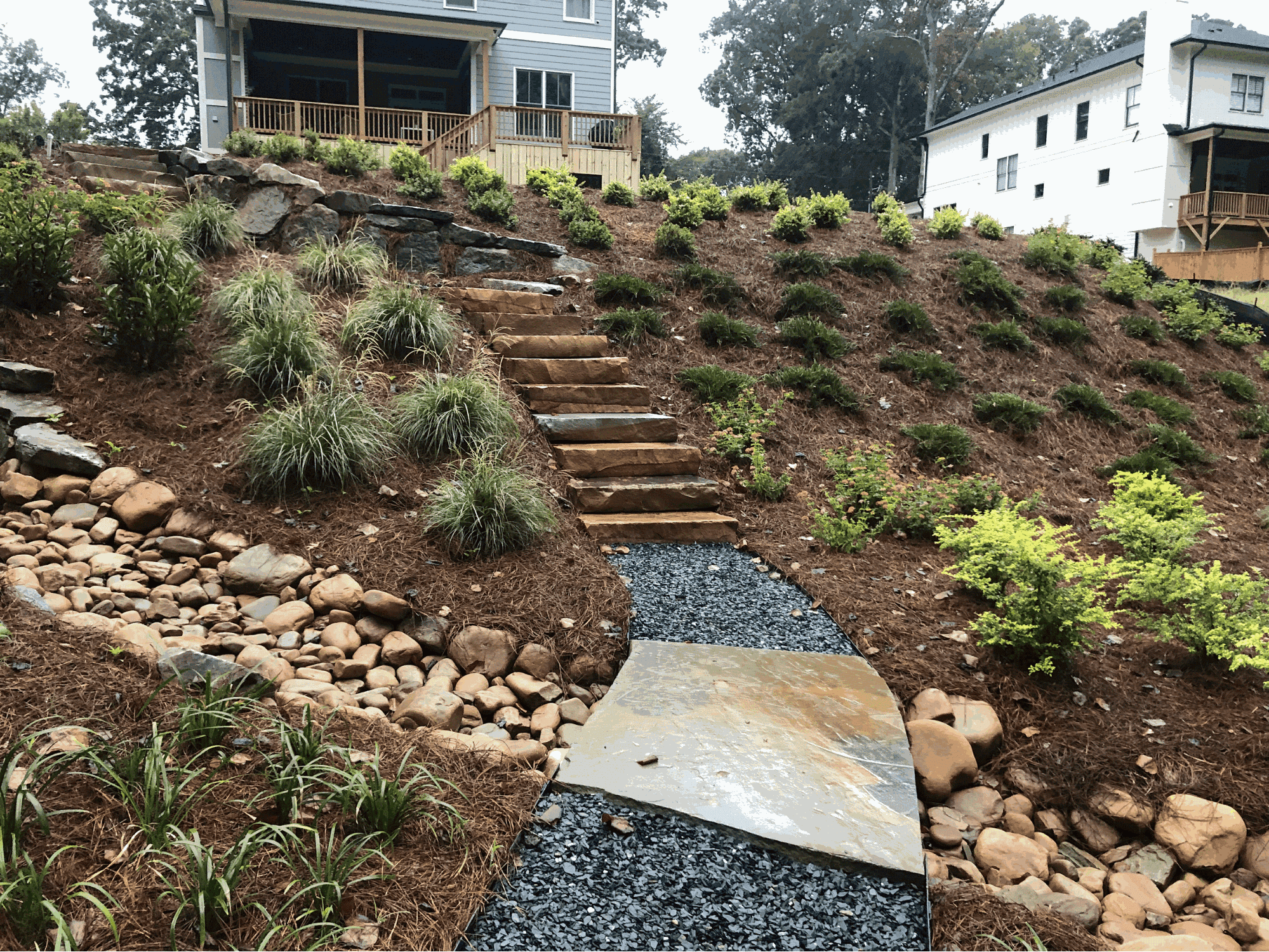
Pine straw naturally interlocks as it settles, forming a mat-like layer that stays in place even on inclines. This makes it ideal for areas where mulch might wash away during heavy rainstorms. The interlocking structure also allows rainwater to permeate slowly, reducing runoff and giving the soil more time to absorb moisture.
Mulch, while effective on flat or gently sloping terrain, can shift or wash downhill during Georgia's intense summer thunderstorms. If you have steep slopes or drainage concerns, pine straw is typically the more practical and cost-effective solution.
Aesthetics: Color, Texture, and Style
Appearance matters—especially if you're aiming for a specific landscape style or boosting curb appeal.
Pine Straw
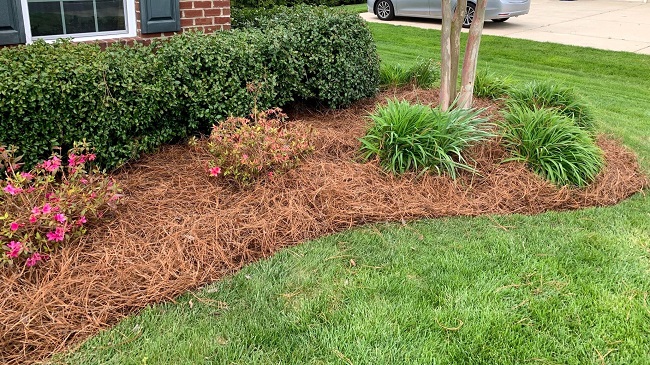
Pine straw has a natural, rustic look with warm golden-brown tones. It complements traditional Southern landscapes beautifully and blends well with wooded or naturalized garden designs. Its fine texture creates a soft, informal appearance.
Mulch
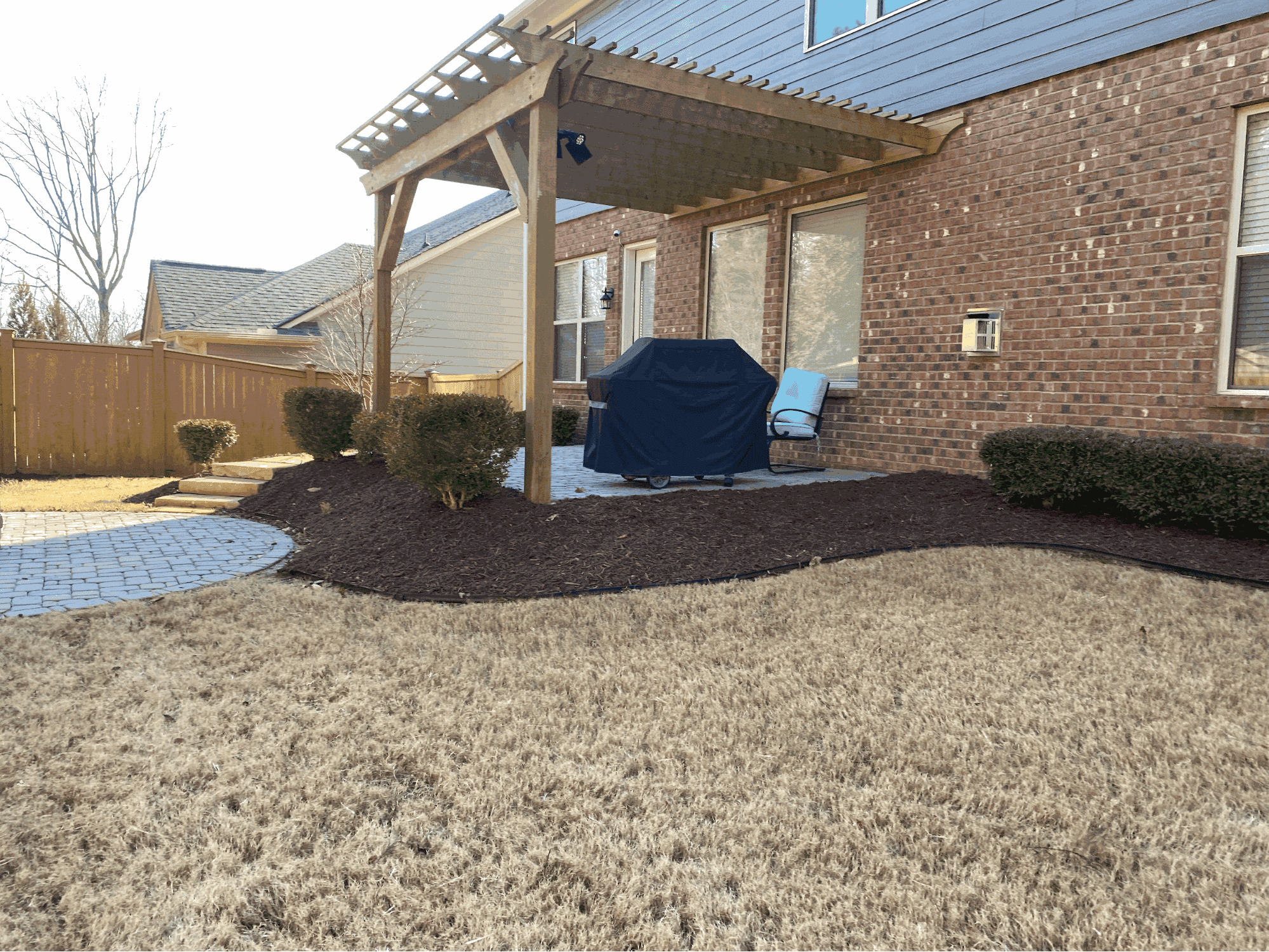
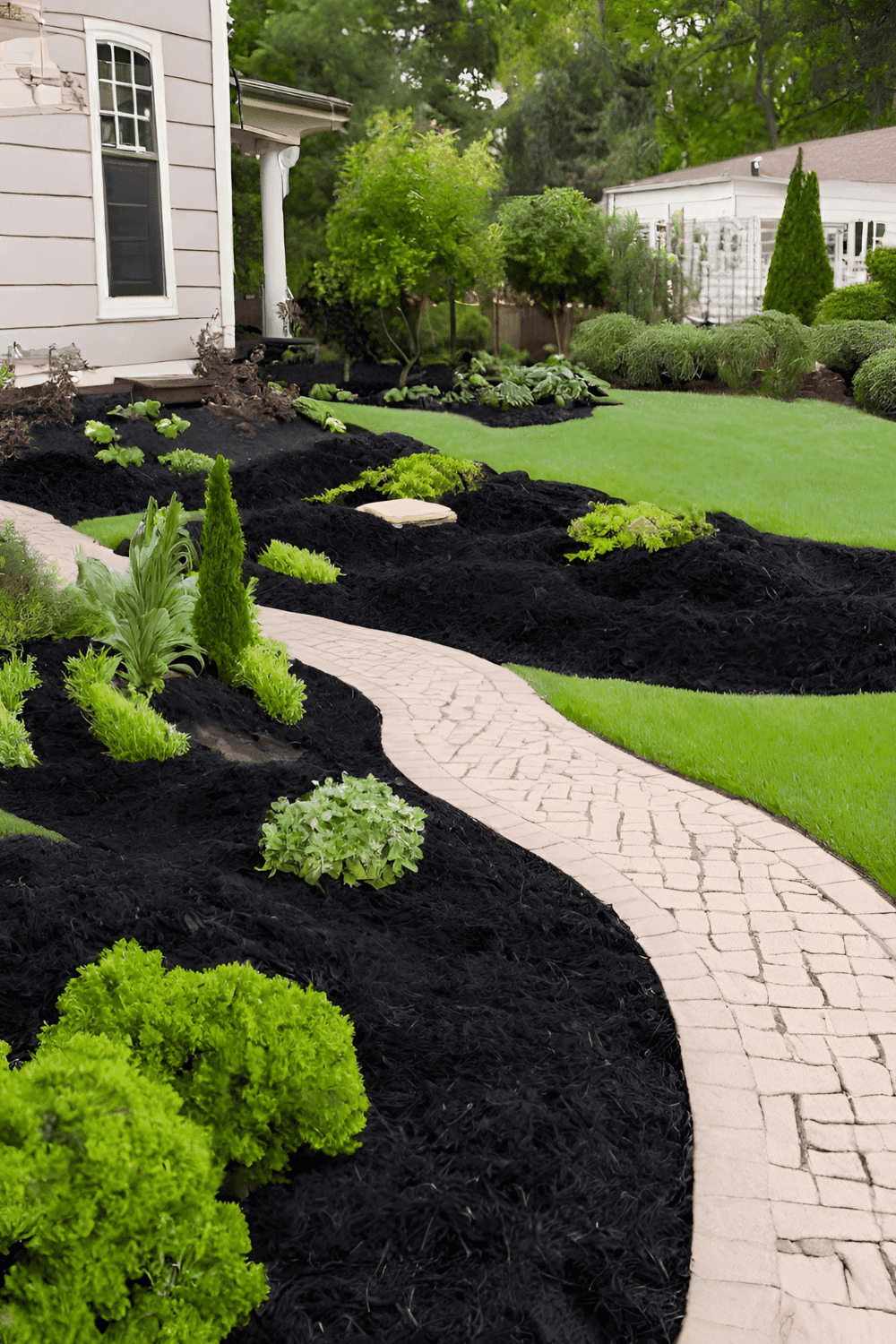
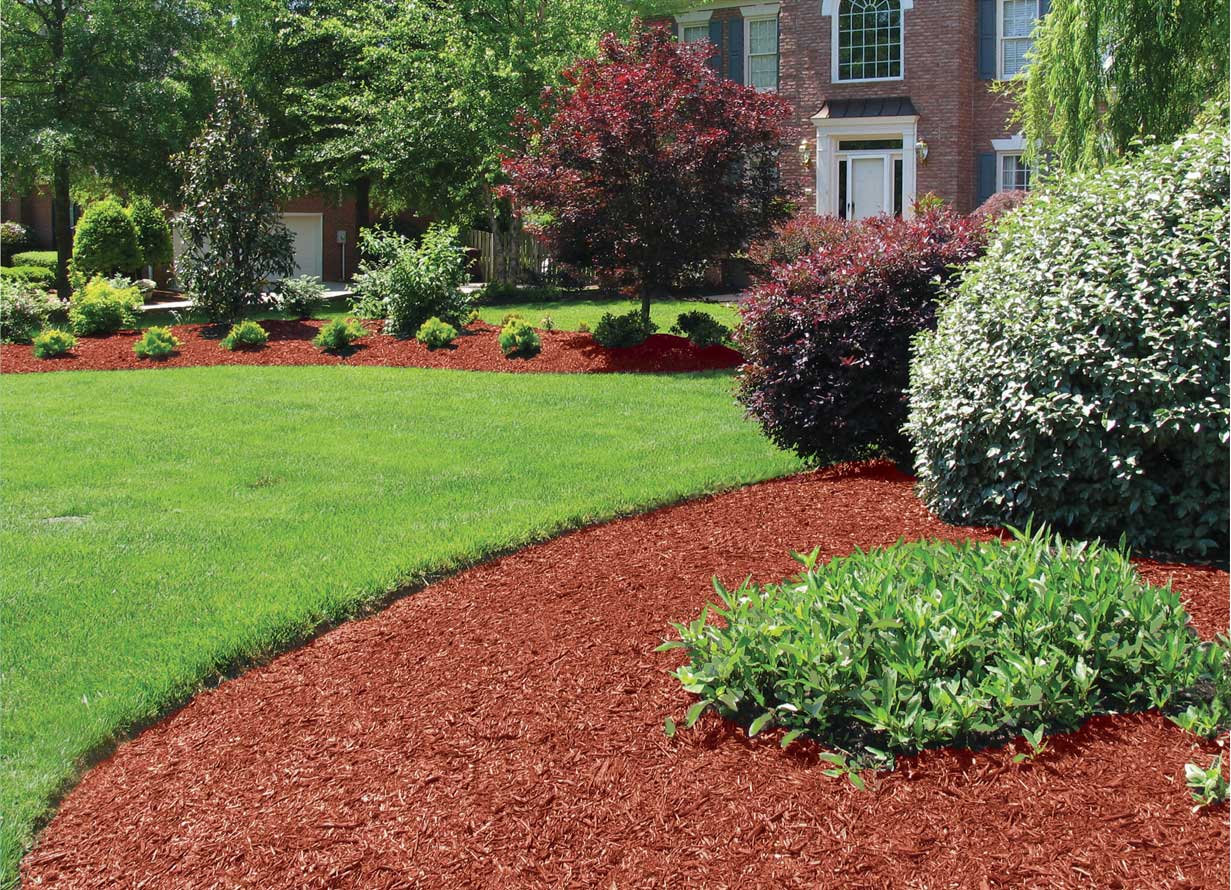
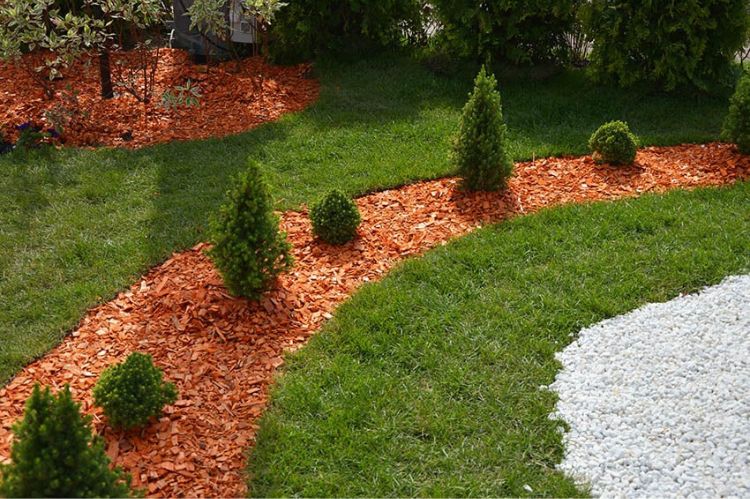
Mulch offers more variety in color and texture. Hardwood mulches range from natural browns to rich, dark chocolates. Dyed mulches come in red, black, and gold tones, allowing for bold visual contrast. Mulch provides a more polished, formal look that works well in contemporary landscapes, foundation plantings, and high-visibility flower beds.
Your choice here is largely personal—pine straw for a classic, natural feel; mulch for a manicured, designer appearance.
Longevity and Decomposition
Both mulch and pine straw break down over time, adding organic matter to the soil—but at different rates.
Pine Straw
Pine straw decomposes more slowly than many types of mulch, meaning it lasts longer before needing replacement. In Georgia's climate, a fresh layer of pine straw can last 12–18 months, though you may want to add a light top layer annually for aesthetic purposes.
Mulch
Hardwood mulch breaks down faster, usually within 6–12 months. As it decomposes, it enriches the soil with nutrients—but this also means you'll need to refresh it more frequently. Dyed mulches may retain their color slightly longer, but they still break down at a similar rate.
If you prefer lower-maintenance landscaping with less frequent replenishment, pine straw has the edge. If you enjoy the soil-building benefits of organic decomposition and don't mind annual refreshes, mulch works well.
Cost Comparison
Budget is always a consideration, and pine straw typically costs less than mulch—especially when covering large areas.
- Pine straw: Generally $4–$6 per bale, covering about 50–70 square feet per bale (depending on thickness).
- Mulch: Typically $3–$6 per bag (2 cubic feet), or $25–$50 per cubic yard when purchased in bulk. Coverage varies by type and application depth.
For large properties or budget-conscious homeowners, pine straw often delivers better value—especially when factoring in longer lifespan and easier application.
Soil Health and pH Concerns
A common question is whether pine straw makes soil too acidic. Let's clear this up.
The pH Myth: Debunked
While fresh pine needles are acidic, pine straw used for landscaping is aged and has a neutral to slightly acidic pH. As it decomposes, it has minimal impact on soil acidity—far less than most people assume. Studies show that pine straw does not significantly lower soil pH in landscape beds.
Mulch and Soil Health
Hardwood mulch breaks down into nutrient-rich humus, improving soil structure and fertility over time. It's particularly beneficial for clay-heavy Georgia soils, helping improve drainage and root development. However, as mulch decomposes, it can temporarily tie up nitrogen in the soil—something to watch if you're growing heavy-feeding plants.
Both materials are safe for most plants when used properly. If you have acid-loving plants like azaleas or blueberries, either option works well—just monitor and amend soil pH as needed based on soil tests, not assumptions.
Maintenance Considerations
How much time are you willing to spend maintaining your landscape beds?
Pine Straw Maintenance
- Lasts longer between applications
- Easy to fluff and redistribute as needed
- Doesn't wash away as easily, reducing the need for touch-ups
- Can be blown off beds during cleanup—requires care when using leaf blowers
Mulch Maintenance
- Requires annual or semi-annual replenishment as it decomposes
- Stays put during blowing and raking, making yard cleanup easier
- Can develop a crust over time, reducing water penetration—occasional turning or fluffing helps
- Heavier material means more effort to spread but less shifting once in place
Weed Suppression Tips for Both Materials
No matter which groundcover you choose, following these best practices will maximize weed control:
- Prep the bed first: Remove existing weeds and debris before applying groundcover.
- Use landscape fabric (optional): A weed barrier underneath can provide extra protection, though it's not always necessary with thick applications.
- Apply the right depth: 3–4 inches for pine straw; 2–3 inches for mulch.
- Refresh regularly: Thin spots allow weeds to take root—top off beds annually or as needed.
- Monitor and spot-treat: Pull weeds as soon as they appear to prevent them from going to seed.
Climate Considerations: What Works Best in Georgia?
Georgia's hot, humid summers and unpredictable rainfall patterns make groundcover choice especially important.
Pine Straw in Georgia
Pine straw is a Southern staple for good reason. It handles Georgia's heat and humidity exceptionally well. Its natural origins in the region mean it's well-suited to our soil types and weather patterns. The interlocking needles help moderate soil temperature, keeping roots cooler in summer and protecting them in winter.
Mulch in Georgia
Mulch also performs well, but during extended dry spells, it can form a hard crust that sheds water instead of absorbing it. Regular turning or watering helps prevent this. In Georgia's heavy clay soils, mulch's decomposition adds valuable organic matter that improves soil structure over time.
Both options work in Georgia—your choice depends more on aesthetic preference, maintenance willingness, and specific site conditions (slope, sun exposure, plant types) than climate alone.
Which Should You Choose?
Here's a quick decision guide:
Choose Pine Straw If:
- You have sloped or erosion-prone areas
- You prefer a natural, rustic Southern aesthetic
- You want lower cost and longer lifespan between applications
- You have large areas to cover and want easier installation
- You're landscaping around native plants or wooded areas
Choose Mulch If:
- You want a polished, formal landscape appearance
- You prefer color variety and visual contrast
- You value superior weed suppression
- You want to improve soil quality through organic decomposition
- Your beds are flat or gently sloped and won't experience heavy water runoff
Combining Both for Maximum Benefit
You don't have to choose just one. Many Georgia homeowners use both strategically:
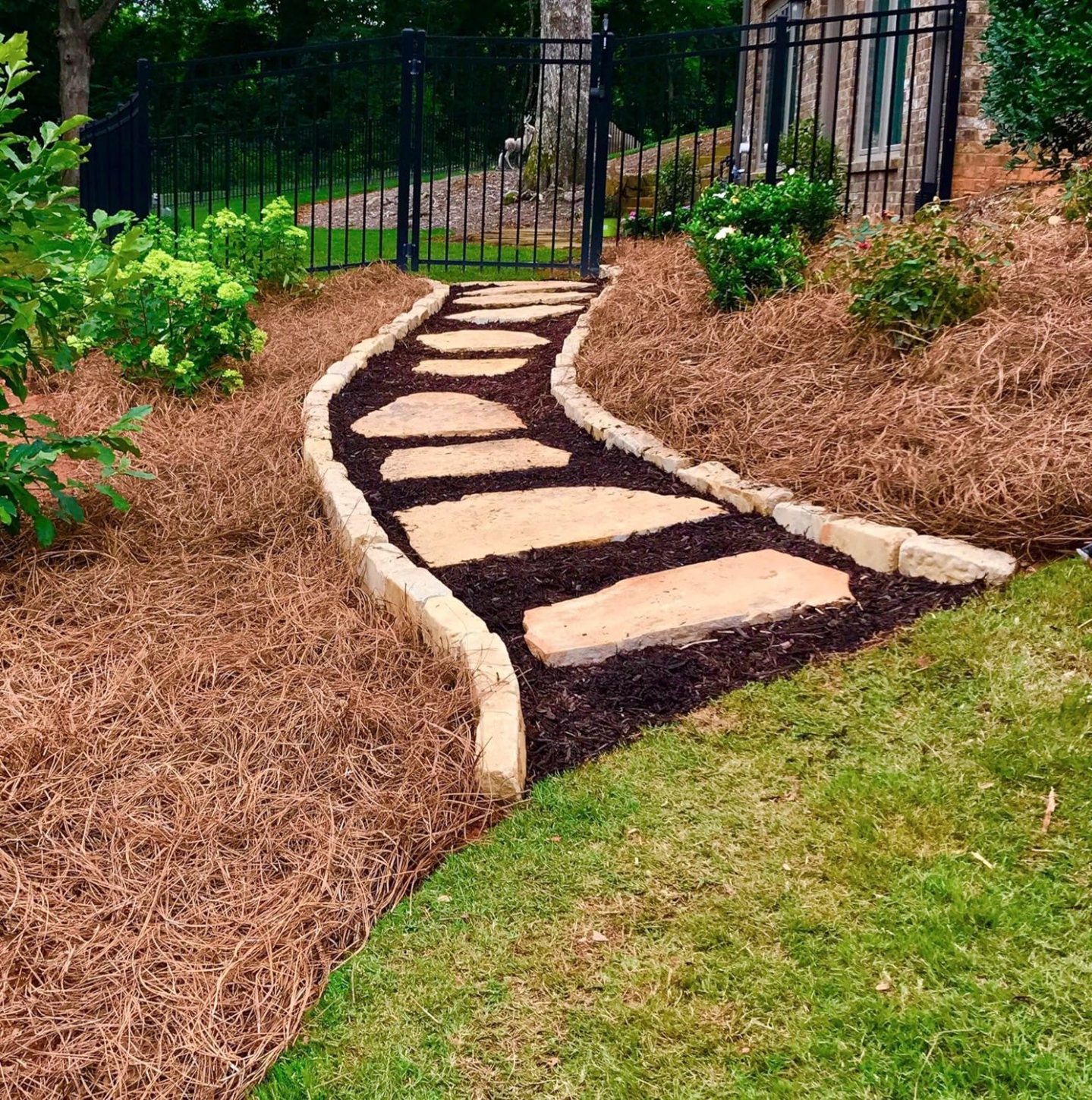
- Pine straw on slopes and around trees for erosion control and natural aesthetics
- Mulch in high-visibility flower beds and foundation plantings for a refined, designer look
- Pine straw in woodland areas where it blends naturally with the environment
- Mulch in vegetable gardens and raised beds where soil enrichment is a priority
This hybrid approach lets you enjoy the best of both worlds while tailoring your landscape to the unique needs of each area.
Conclusion: Make the Choice That Fits Your Yard
Both mulch and pine straw are excellent groundcovers for Georgia landscapes. Pine straw offers affordability, longevity, and superior performance on slopes. Mulch provides rich color options, stronger weed control, and soil-building benefits. Neither is inherently "better"—it all depends on your specific landscape goals, maintenance preferences, and aesthetic vision.
At LawnHopper, we help homeowners in Atlanta and North Georgia create beautiful, healthy outdoor spaces that match their lifestyle. Whether you choose pine straw, mulch, or a combination of both, we can help you install and maintain your landscape beds for year-round beauty and health.
Ready to refresh your landscape beds? Contact LawnHopper today for expert advice, professional installation, and ongoing lawn care services that keep your Georgia yard looking its absolute best—season after season.
Tags
Ready to Transform Your Lawn?
Get professional lawn care services from Lawn Hoppers. Contact us today for a free estimate!
Get a Free Quote